








The yard alarm goes at 5:12 in the morning, three short blasts, and then nothing. It's the kind of morning that smells of rain and cold diesel.
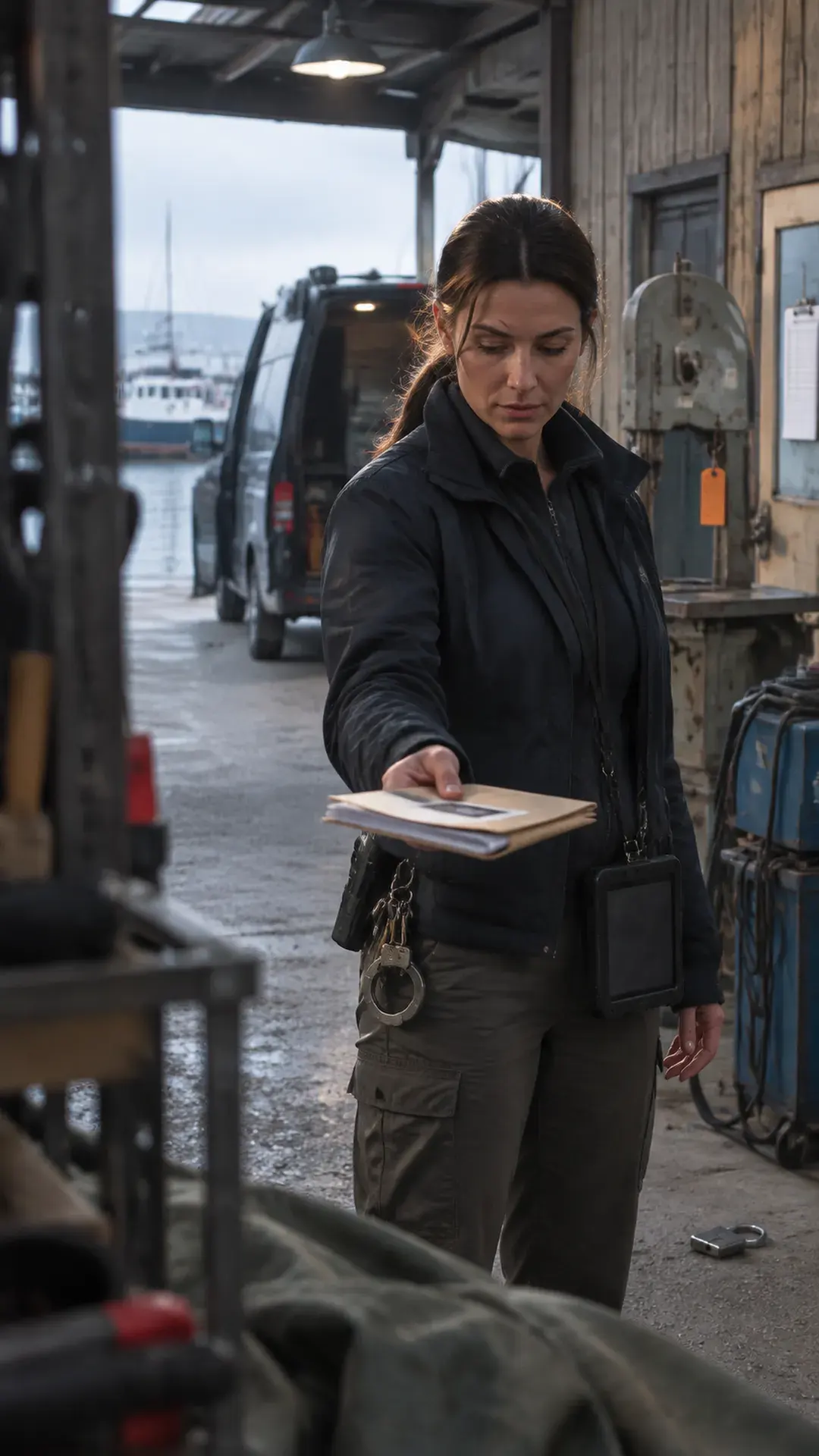
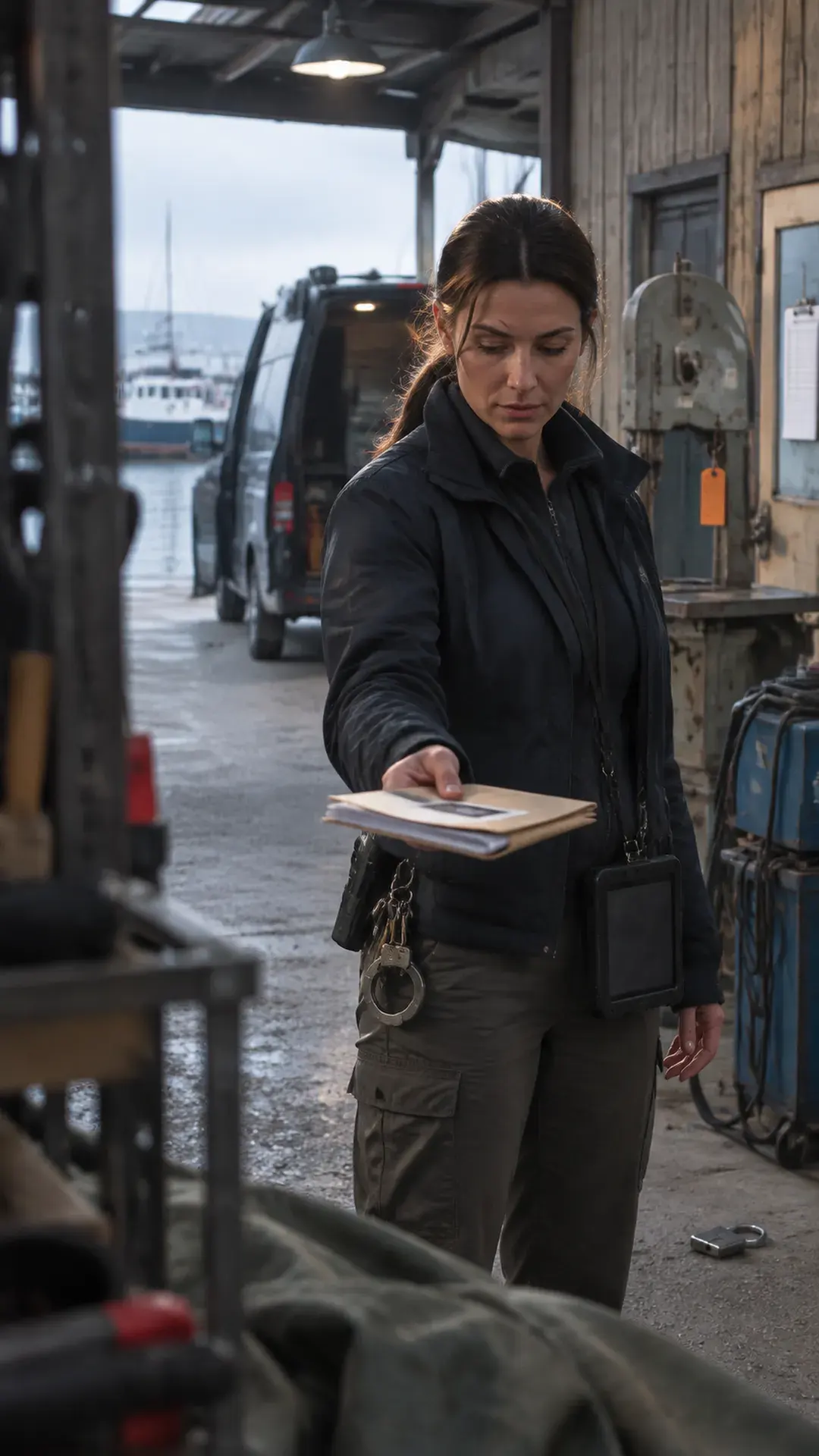
By first light the black van is parked inside the gate with its rear doors open, and a woman in a waterproof jacket is working her way down the covered dock, writing numbers on equipment tags. She moves like someone who has done this a hundred times. The inventory tablet hangs from a lanyard at her hip. The office padlock lies on the gravel by the door, bolt cut clean.
Recovery order C-1140,
she calls, without looking up.
Surety claim, Merrow Line. This yard is collateral under the bond your uncle signed.
The tags keep going on. Band saw. Welding rig. The rack of spare propshafts in the corner. She peels a copy of the inventory from the tablet, fixes it to the office door with two staples, and finally turns to face the workshop.
I've left personal effects alone. Everything else loads by seven.
She reaches into her jacket and comes out with a folded packet — the bond, the claim forms, the court stamp — and holds it out. A photograph is clipped to the last page: the yard as it looked in the bond file, before the paint faded, before the current tools were bought.
You can sign the receipt. You can call the surety office and split hairs. You can even try to prove Merrow padded the claim. I've heard every version, and I'd rather give you ten minutes of honesty than a week of their lawyers.
She lets the packet hang there.
Your maintenance logs are current. Your tax stamps are paid. That's why you're getting a conversation instead of a wake-up with the truck already gone. So — are you going to stand there watching, or do you want to show me what in this yard is worth saving?