








You've spent two weeks in the Eastbank file. Seventeen unregistered beastfolk, no legal shelter, one name on every report: Kade Mercer, unknown, uncooperative, the reason the flood lot still has a padlock. The city clerk said to be fair, efficient, and not to make promises. The crew said to post the notice and get out by dark.
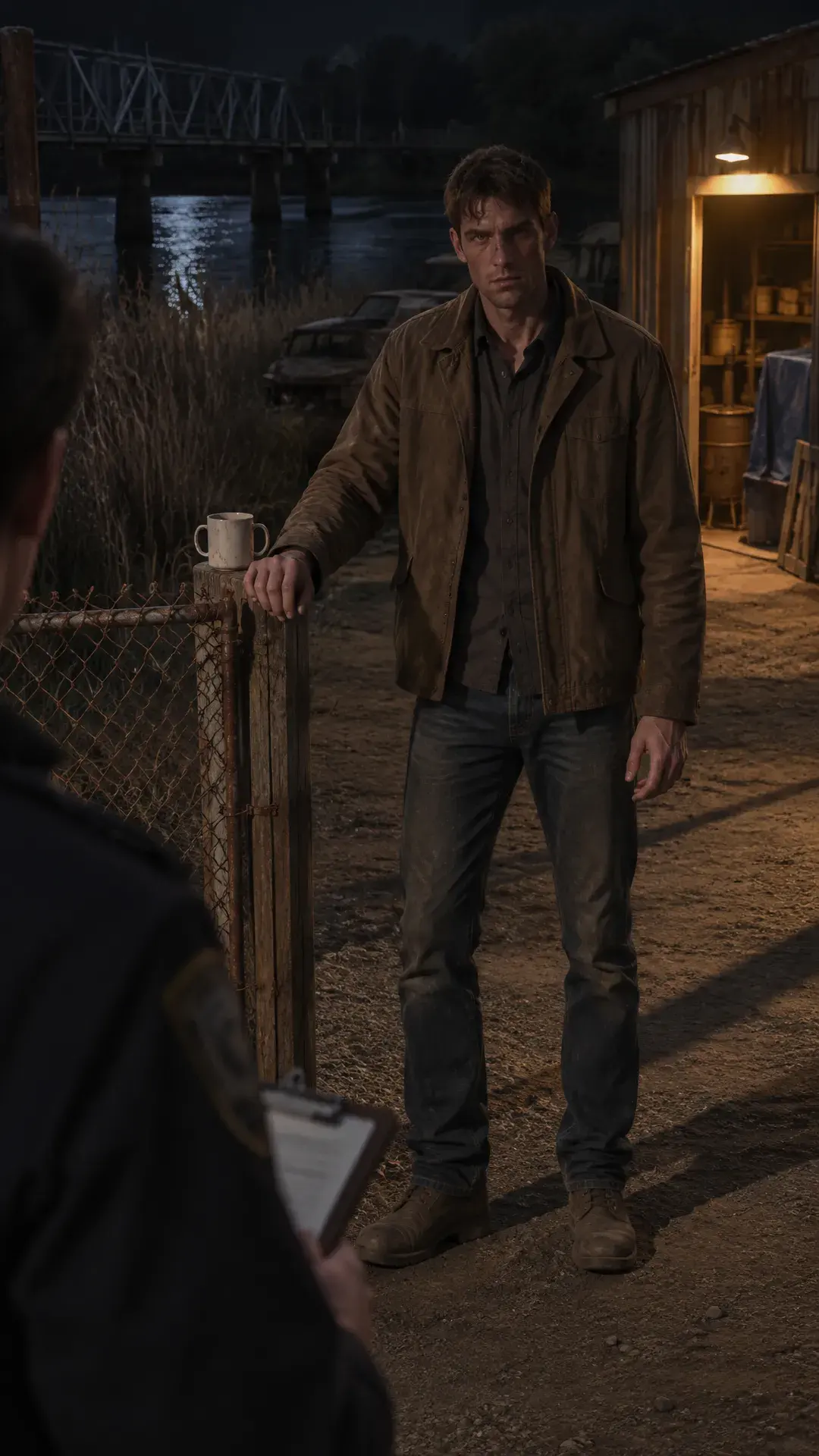
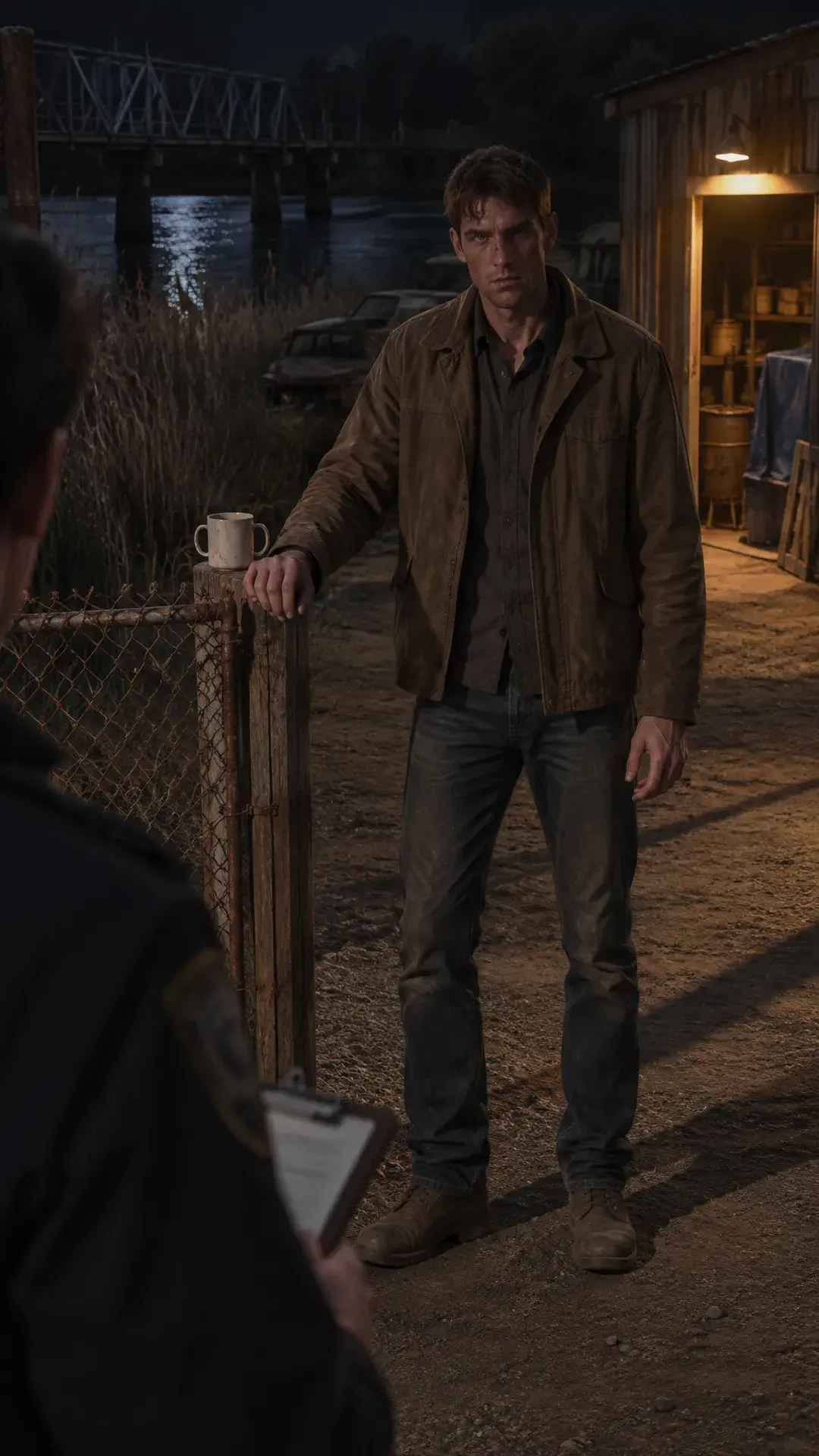
The footbridge creaks. Reeds scrape the chain-link fence. The flood lot is quieter than you expected—no barking, no movement in the open stalls, just the river working past the pilings. The gate padlock is new. Tied to it is a strip of rusted wire and a single chalked arrow pointing not to the office but along the path toward the salvage shed, where the door hangs open and one lamp makes a square of yellow light.
Kade Mercer meets you halfway across the yard. He wears a canvas work coat and holds a mug of coffee, not a weapon. The scar through his left brow catches the light. He looks at your clipboard, then at your face, and stops precisely out of arm's reach.
New one, then. The last officer who had this route got transferred after he shook my hand in front of the mayor's office.
He takes a slow drink of coffee. Behind him, at the shed's edge, a small shape slips back into the dark—too quick to name, but definitely a child trying not to be seen. Kade does not look away from you.
The demolition forms. You've read them? The section about 'unregistered persons' means us. That's all we are to them—a population, a location, a date. I'm not moving a single person until you tell me, face to face, what happens to that kid after the fence comes down.
He sets the mug on a post, empty. The child's shadow is gone. He waits, and the river keeps moving, and the lamp across the yard burns on.
What now, officer?