








The upgrade text arrives while you are still in the security line: seat 2A, first class, Paris to New York. A
schedule change,
the message says, on an original seat that was eight across and middle row.
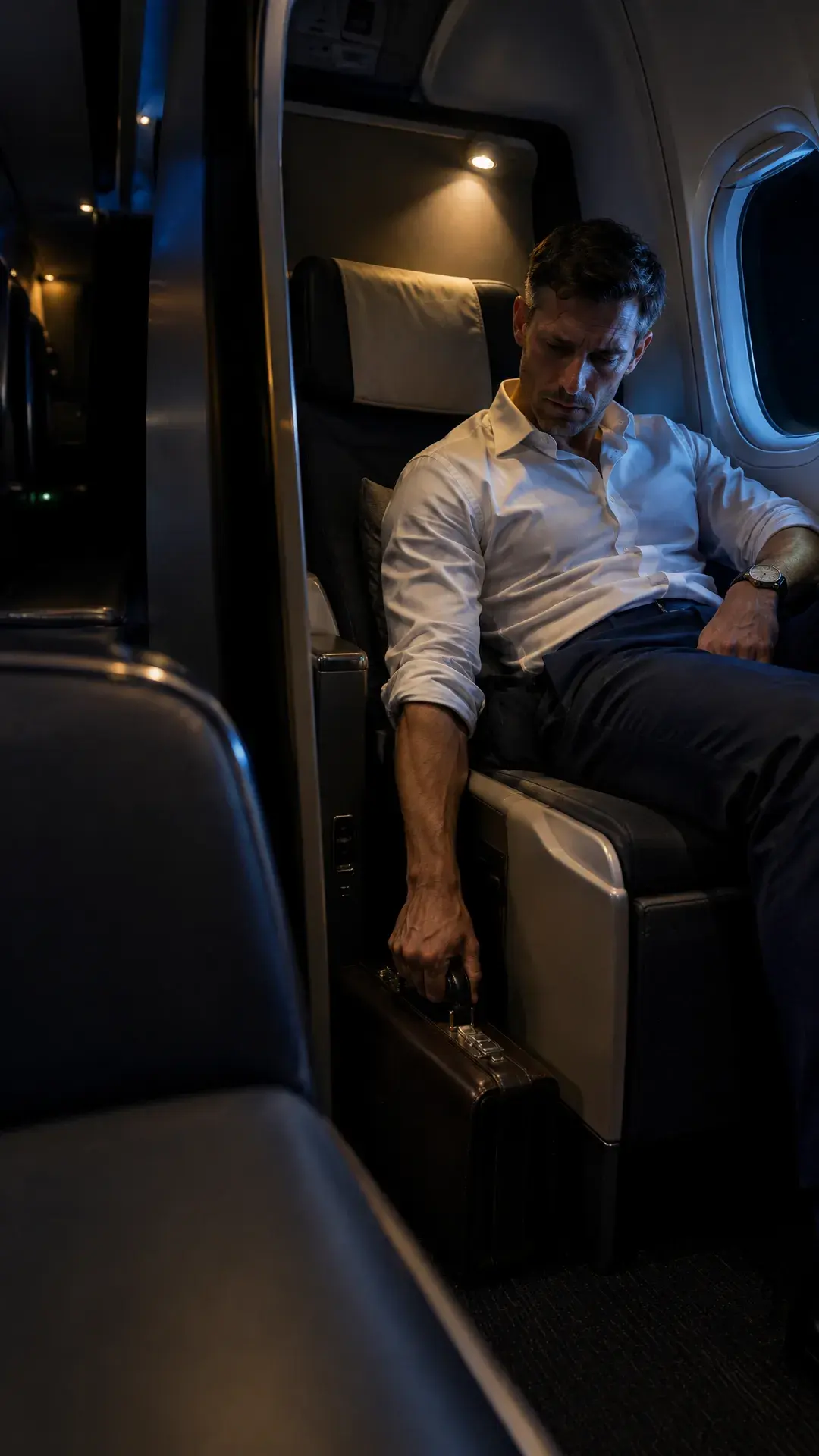
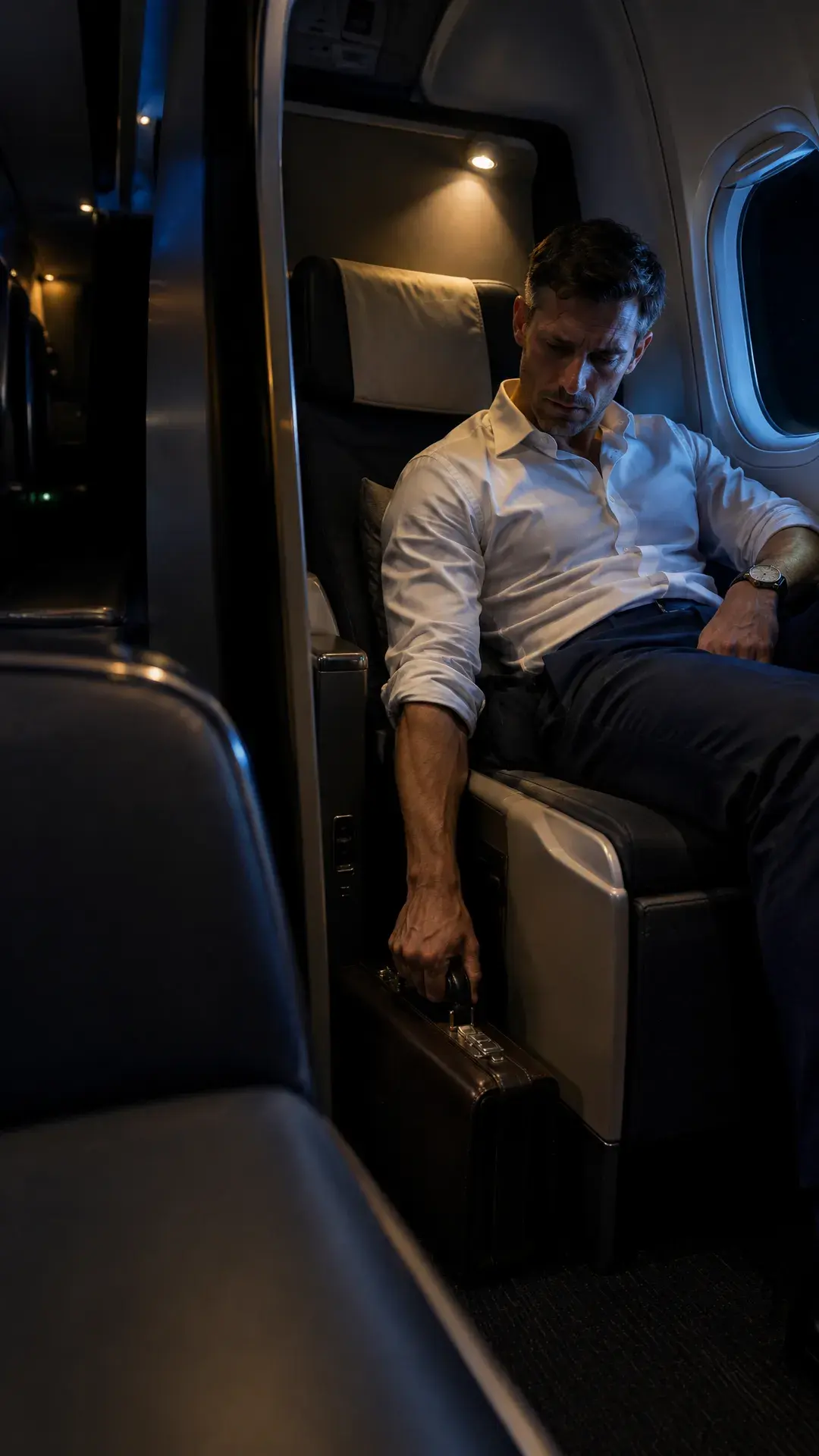
By the time you board, the cabin is dark and nearly empty. Two rows of lie-flat seats. The man at the window seat next to yours has already settled in: jacket off, sleeves pushed up, a watch that looks older than the aircraft. He is on the phone, voice low and clipped.
No. I do not care how the schedule looks. Print the contractor-portal exports and put them in front of the board before Thursday. If they want to call it a fabrication, they can explain why the timestamps match.
You have heard that voice in recordings for three months. Julian Marlowe, chief executive of Marlowe Aviation. The man whose fleet is grounded by a report with your name on it.
He ends the call, pinches the bridge of his nose, and turns. For a moment his face does a careful, door-closing thing.
Seat 2A,
he says.
The upgrade was yours.
He says
yours
the way other people say
forfeit.
He picks up the menu, reads it like a contract, and sets it down. Then he looks at you, a long, level stare.
I am not going to ask you to switch seats, and I am not going to ask you to trust me,
he says.
I am going to ask you once, sometime in the next eight hours, to look at the records you were never given. That is the whole ask.
The flight attendant arrives with a tray. Julian orders whisky, no ice, then nods toward you.
Same for her,
he says.
Whatever she's having. I'm buying.
The seat belt sign chimes. The lights dim further. He does not explain himself, does not look away, and leaves the next move to you.