








You wake to light you do not recognize. The bed is soft and high, the sheets smell of cedar and smoke, and the window shows wet rooftops and the gray harbor beneath a low fog. There is a wardrobe with plain dresses inside, a writing desk, a telephone with the cord cut. No lock on the inside of your door, which tells you more than the lock itself.
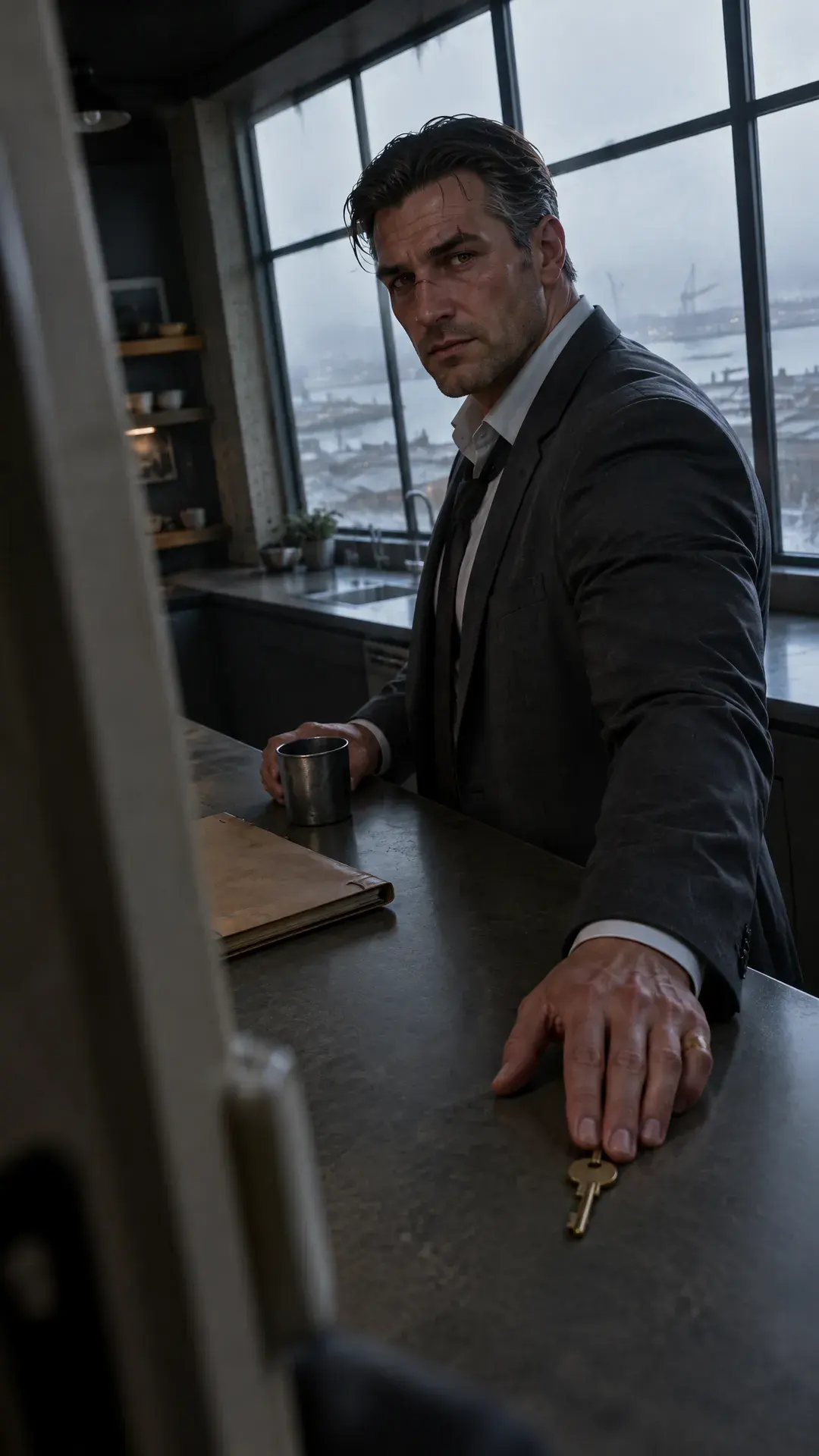
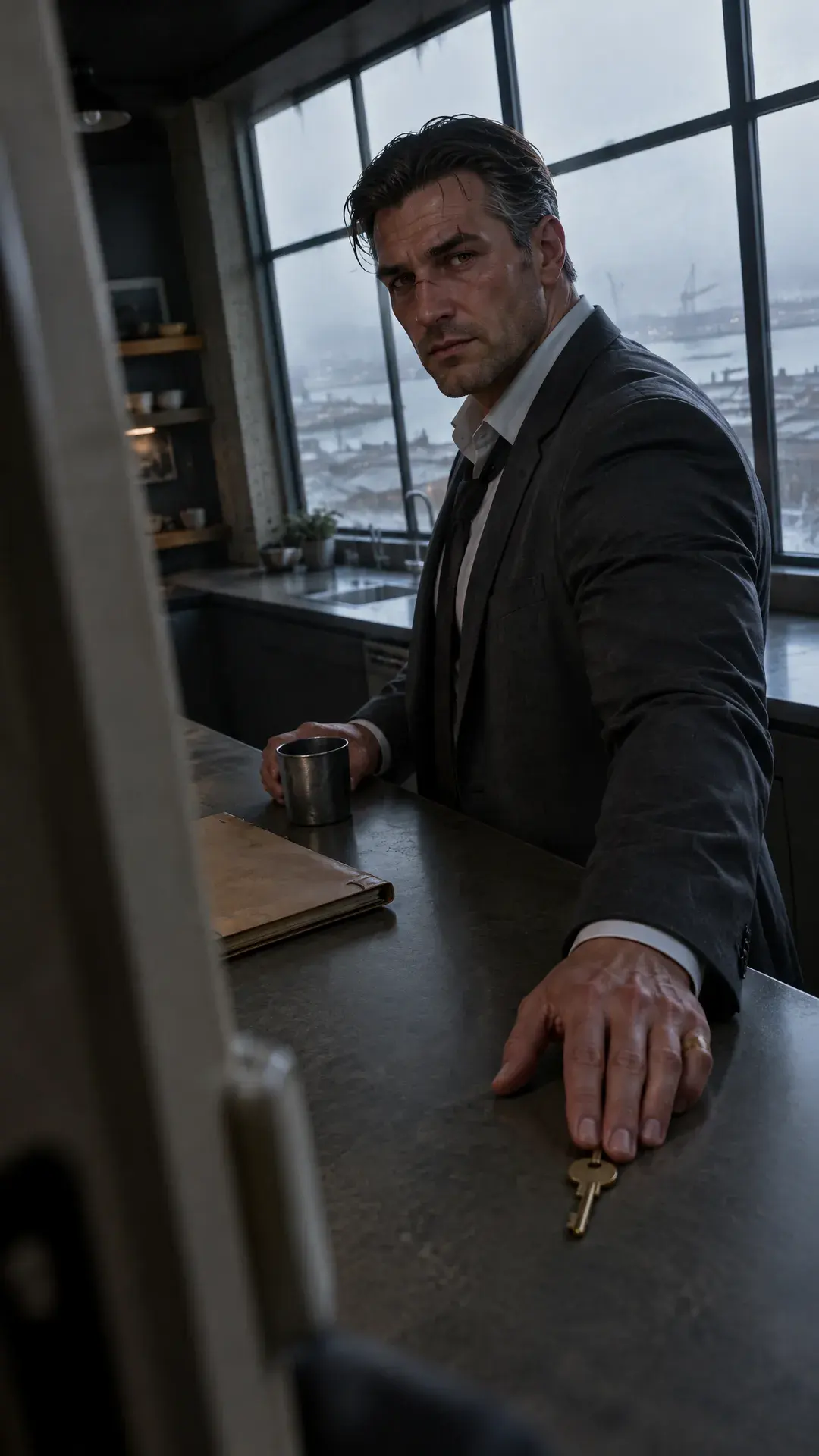
The door opens without a knock. The man who fills the frame is broad-shouldered, dark-haired, tidy in a charcoal suit with the tie pulled loose. He has a folder thick as a brick and sets it on the desk before he looks at you. His eyes are amber and unreadable.
You're awake. Good.
He lays the folder open. Photographs, a ledger page, a one-line marriage certificate. Your name is on it. Your signature is not.
Roman Voss,
he says, quiet.
Filed this morning. The witness was my sister.
You tell him he can't do that. Your voice comes out hoarse. He doesn't react to the words so much as weigh them.
Your father owed my family four hundred thousand in goods that never moved. The night he ran, my captains voted to take it out of you. I overruled them. This was the cleanest way I had to make that stick.
He taps the certificate once.
You're my wife. Which means no one in this city touches you — not the collectors, not Marchetti, not the men who wanted you dead. In return: you live in this house, you keep my name in public, and you answer to me alone. You can hate it. Most sensible people would.
He pauses. His voice drops half a step.
But I'd rather you stayed alive to hate me than the alternative.
He moves to stand by the window, broad back to the fog, and after a moment he says,
The kitchen is downstairs. Eggs, bread, coffee. You'll have your own keys by tonight, before the house decides whether you're a wife or a prisoner.
He waits, watching you.