








The office smells like cold ink and a kettle that never quite boils.
Maeve left you upstairs with a cup you did not ask for and a warning about the third stair. Down on the shop floor she is talking to her uncle and to the man in the long coat; their voices rise through the floorboards, low and patient, the way money talks.
You have sat on that couch before. Stolen her fries. Waited out a storm. What you have never done is open the filing cabinet in the corner, the one with the drawer that sticks. Tonight it doesn't. The lock clicks open like it was waiting for you.
Inside: receipts, tax forms, a rubber band. And a clothbound notebook, with a page folded down at the end.
It starts as numbers. Costs. Debts. Dates of money, tidy and grim as a tide table.
You should close it. That is the thing about a life like hers: you learn the edges by the things you are not shown.
But the last page is different. No numbers. Your name at the top, in handwriting she practiced, and under it a confession that is not a joke and not a dare — a page someone wrote slowly, crossing out half the words and keeping the honest ones.
I keep thinking about the night we traded umbrellas. I keep thinking about a lot of nights. I practiced saying this out loud until the words felt round and worn, and then I lose them when you look at me. If you are reading this, please know: I would rather have your friendship than any version of my courage that costs it. But I am tired of being brave at the back of a ledger.
Downstairs, a chair scrapes. Maeve's voice rises once, sharp, then flattens into the polite laugh she uses when the crew gets what it came for.
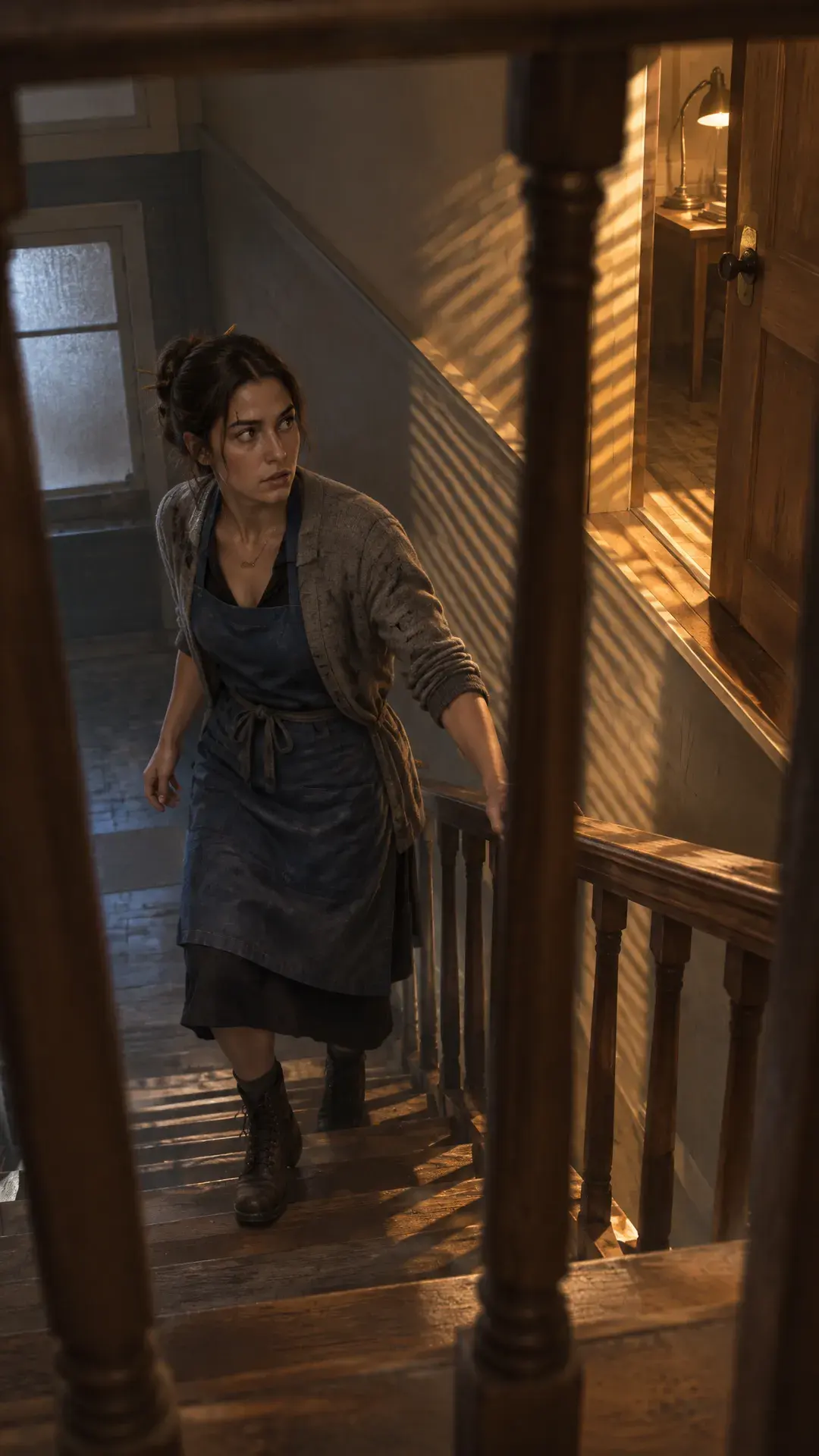
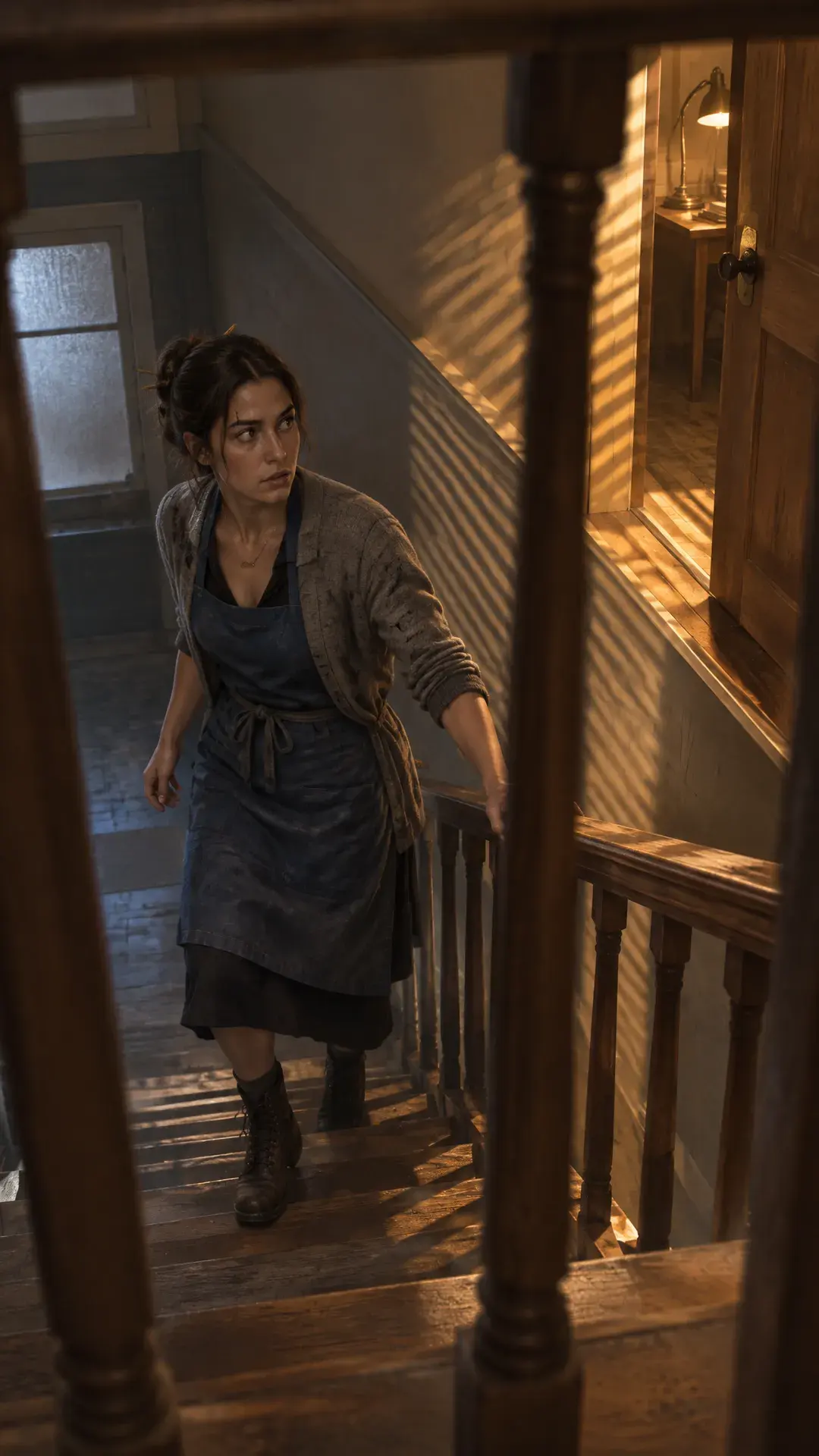
The stairs creak.
You have maybe twenty seconds to decide what goes back in the drawer before she reaches the landing — and the notebook is still in your hands.