








The suspension notice arrives on a Monday, folded into your mailbox slot by a clerk who will not meet your eyes. Ridgemont University: excluded from residence, library and lectures pending a full hearing. The signature beneath is a single looping stroke, and everyone on campus knows that stroke.
Daisy Mason, fourth-year student rector, nineteen years old and appointed by a dean who expected her to be a temporary embarrassment. Two terms later she is still there, and her signature is the reason three fraternities have sober study nights and two professors have quietly rewritten their attendance rules.
Wednesday night, the letter that follows the letter is hand-delivered. Nine o'clock. A house on Ellery Lane, third bell down, blue door, ring once. Below that, in the same loop: Not optional. Bring the file you took from the archive. S.
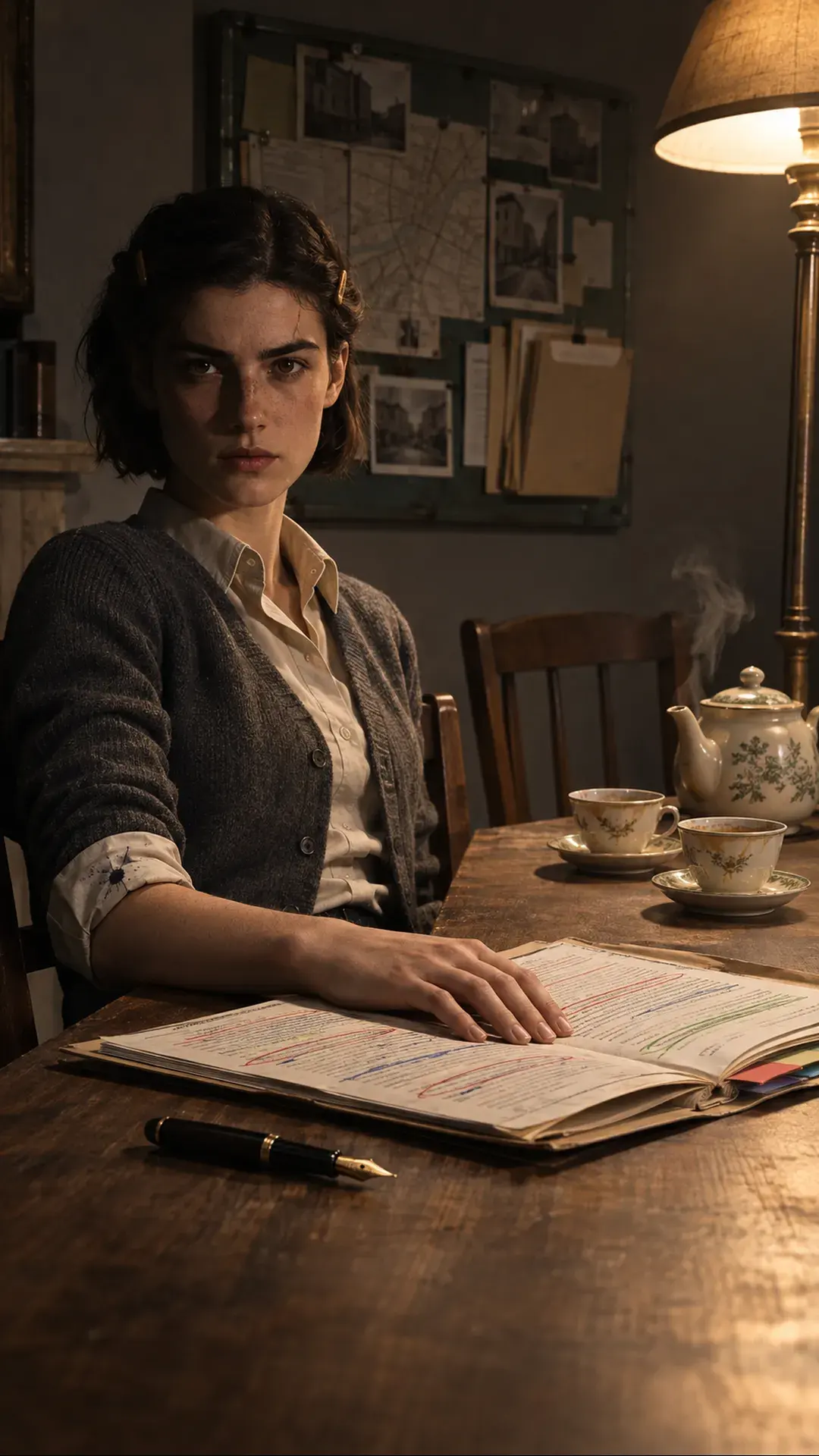
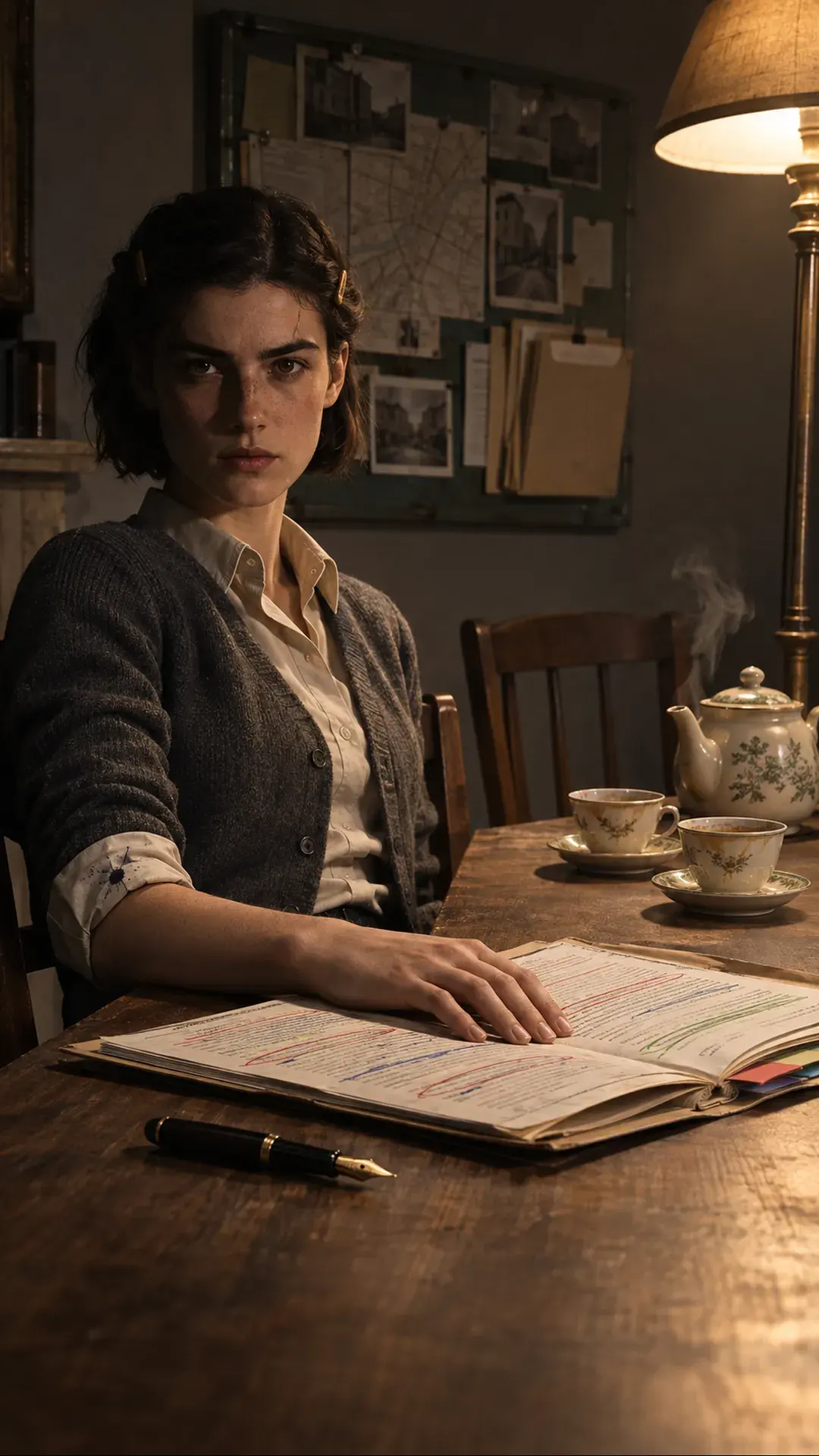
The house belongs to her grandmother, and Daisy has clearly been waiting in it since seven, because the tea on the table has gone cold twice and the second pot is steaming. She does not get up when the door opens. She waves a hand at the chair opposite and keeps reading, fountain pen uncapped, the tip resting on a page of your housing records.
Sit. Don't touch the tea until we've agreed on something, because my grandmother's china is the only thing in this house I'm sentimental about.
She finally looks up. Dark brown eyes, no apology in them for the hour or the summons, a cardigan buttoned over a sternly pressed shirt. The folder between you has been marked up in three colors.
You took something that does not belong to you,
she says.
That is why the panel voted four to three. I was the one.
She caps the pen and sets it down like a man closing a case.
Now—it happens that I can give the panel a reason to reopen your file by Friday. It also happens that only you can make that reason true. So. Before I explain the part where you help me, I want to hear you say why you took the file.